






Meet Your Diabetologist
A Diabetologist is a specialist dedicated to the diagnosis, treatment, and long-term management of diabetes and metabolic disorders. Their role is not limited to controlling blood sugar — they ensure your heart, kidneys, eyes, nerves, and overall wellbeing stay protected through early intervention and personalized care.
Diabetes is a chronic condition, but with expert guidance and the right lifestyle habits, it can be effectively controlled and complications can be prevented. Whether you are newly diagnosed, struggling with fluctuating sugars, pregnant with diabetes, or at high risk due to family history or obesity — a diabetologist helps you stay one step ahead.
Conditions Managed by a Diabetologist
- Type 1 Diabetes
- Type 2 Diabetes
- Prediabetes & Impaired Glucose Tolerance
- Gestational Diabetes (diabetes during pregnancy)
- Metabolic Syndrome & Obesity
- Hypoglycemia (recurrent low sugar episodes)
- Diabetic Ketoacidosis (emergency management)
- Diabetic Neuropathy (nerve damage)
- Diabetic Retinopathy (eye disease related to diabetes)
- Diabetic Nephropathy (kidney involvement)
- Slow-healing wounds & diabetic foot complications
- PCOS & hormonal disorders linked with insulin resistance
Symptoms
- Frequent urination, especially at night
- Increased thirst or hunger
- Unexplained weight loss or weight gain
- Persistent fatigue & low energy
- Blurred vision or headaches
- Slow wound healing or recurrent skin infections
- Tingling or numbness in hands and feet
- Dark skin patches around neck & armpits (Acanthosis Nigricans)
- Recurrent fungal infections
Key Diagnostic Evaluations
A diabetologist evaluates your condition using a combination of tests to track sugars, organ health, and complication risk:
- HbA1c (3-month average blood sugar)
- Fasting & post-meal sugar tests
- Continuous Glucose Monitoring (CGM)
- Lipid profile to assess heart risk
- Kidney function tests & microalbuminuria
- Retinal (eye) screening for early retinopathy
- Foot neurovascular examination to prevent ulcers
- Thyroid function tests (often linked with diabetes)
- Liver health evaluations in metabolic disorders
Core Services Offered by a Diabetologist
Continuous Glucose Monitoring (CGM)
- Real-time tracking of sugar fluctuations
- Helps detect hidden highs & lows
- Supports medication adjustment and lifestyle planning
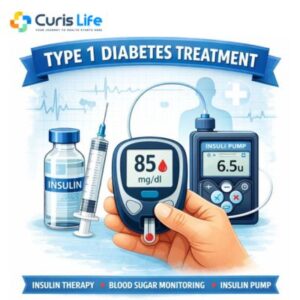
Insulin Therapy & Advanced Medication Management
- Tailored insulin regimens: basal, bolus, mixed
- Pen, pump, and sensor-based insulin delivery guidance
- Training for self-injection and dose adjustments
- Helps maintain safe sugar control and prevent emergencies
Diabetic Foot Care & Prevention of Ulcers
- Neuropathy & blood circulation assessment
- Callus, nail, and wound care
- Prevention of infections & amputations
- Custom footwear guidance to avoid foot pressure injuries
Gestational Diabetes Management
- Sugar control during pregnancy
- Safe medication adjustments to protect mother & baby
- Monitoring strategies to prevent complications like macrosomia and preeclampsia
- Post-delivery diabetes risk counseling
Weight & Metabolic Management
- Personalized weight-loss strategies for blood sugar control
- Treatment for obesity, PCOS, and insulin resistance
- Medication support when lifestyle changes alone are insufficient
- Essential for reducing long-term diabetes risk
Dietary & Lifestyle Counseling
- Customized diet charts based on preferences
- Guidance on portion control, carbohydrate distribution & timing
- Exercise planning suitable for age & medical conditions
- Sleep, stress, and routine optimization to improve sugar stability
Managing Diabetes-Related Complications
- Heart disease & high cholesterol
- Kidney damage leading to protein loss
- Nerve problems causing numbness & burning
- Vision impairment and retinopathy
- Erectile dysfunction & hormonal imbalance
- Non-healing foot wounds & risk of amputation
Who Should Regularly Visit a Diabetologist?
- People with diagnosed diabetes (all types)
- Individuals with family history of diabetes
- Persons who are overweight or obese
- Women with PCOS or past history of gestational diabetes
- Patients experiencing uncontrolled or fluctuating sugars
- Anyone with hypertension, high cholesterol, or fatty liver
- Individuals who frequently feel tired, weak, or dehydrated
- People recovering from diabetes-related complications
Lifestyle Foundations for Long-Term Diabetes Control
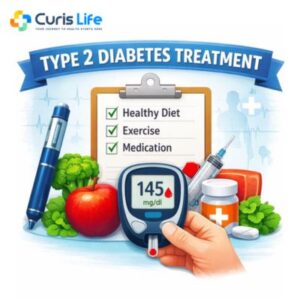
Your diabetologist will guide you to:
- Eat balanced meals with controlled carbohydrates
- Walk daily or engage in recommended exercise
- Maintain sleep hygiene and reduce stress
- Avoid smoking & limit alcohol
- Monitor sugars at home when advised
- Attend regular health check-ups even when feeling well
