


Nephrologist in Andheri West, Mumbai – Expert Kidney Care at Curis Life
Kidney health plays a vital role in your overall well-being. At Curis Life – Multispecialty Clinic in Andheri West, Mumbai, our experienced nephrologists offer comprehensive diagnosis, treatment, and long-term management of kidney diseases. Whether you are experiencing early symptoms or managing chronic kidney conditions, we provide personalized care with advanced investigations and treatment options—all under one roof.
Our goal is to help you protect your kidney function, prevent complications, and improve your quality of life through early detection and timely medical intervention.
Conditions Treated
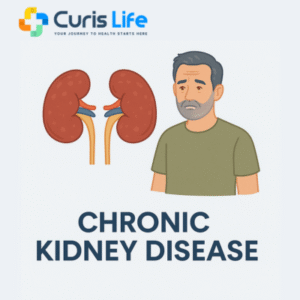
- Chronic Kidney Disease (CKD): Long-term decline in kidney function that requires timely management to prevent failure.
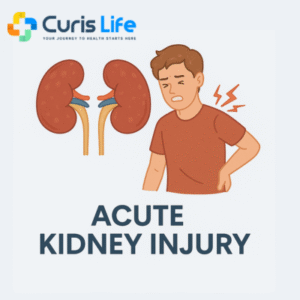
- Acute Kidney Injury (AKI): Sudden loss of kidney function due to illness, dehydration, or medications.
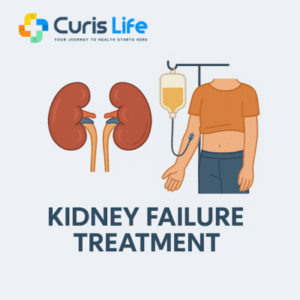
- Kidney Failure: Severe kidney damage where kidneys can no longer filter blood efficiently.
- Diabetic Kidney Disease: Kidney damage caused by uncontrolled blood sugar levels over time.
- Hypertensive Kidney Disease: Kidney damage resulting from long-standing high blood pressure.
- Glomerulonephritis: Inflammation of kidney filters causing swelling and protein loss.
- Nephrotic Syndrome: High protein loss in urine leading to swelling, fatigue, and fluid retention.
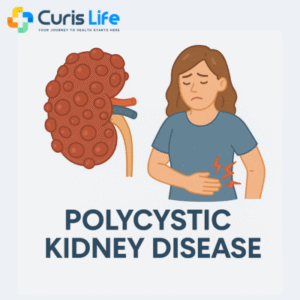
- Polycystic Kidney Disease: Inherited condition causing multiple cysts that affect kidney function.
- Kidney Stones: Hard mineral deposits in the kidney causing severe pain and urinary blockage.
- Recurrent UTIs: Frequent urinary infections that may damage the kidneys if untreated.
- Proteinuria: Presence of excess protein in urine indicating early kidney damage.
- Hematuria: Blood in urine caused by infections, stones, or kidney disease.
- Electrolyte Imbalance: Abnormal salt and mineral levels linked to kidney dysfunction.
Symptoms
- Swelling of feet or face: Fluid build-up due to poor kidney filtration.
- Foamy or bloody urine: Early sign of protein leakage or kidney damage.
- Frequent or painful urination: Possible infection, stones, or inflammation.
- Back or flank pain: Often linked with kidney stones or infections.
- Extreme fatigue and weakness: Waste build-up in blood affecting energy levels.
- High blood pressure: Often both a cause and effect of kidney disease.
- Loss of appetite or nausea: Indicates advanced kidney dysfunction.
- Shortness of breath: Fluid accumulation due to reduced kidney filtering.
Causes
- Diabetes: High blood sugar damages kidney blood vessels over time.
- Uncontrolled hypertension: Constant pressure weakens kidney filtration.
- Frequent painkiller use: Certain medicines strain kidney function.
- Genetic disorders: Inherited conditions like PKD impact kidney health.
- Infections: Repeated UTIs or kidney infections cause long-term damage.
- Dehydration: Reduced water intake strains kidney filtering capacity.
- Obesity: Increases risk of diabetes and hypertension, harming kidneys.
- Smoking: Reduces blood flow and accelerates kidney decline.
Diagnosis & Tests
- Kidney Function Tests (KFT): Measures creatinine and urea to assess kidney performance.
- Urine Routine & Protein Test: Detects protein, blood, and infections early.
- Ultrasound KUB: Visual scan to identify kidney stones and structural issues.
- eGFR Measurement: Calculates filtration rate to classify kidney disease stage.
- Electrolyte Panel: Checks balance of essential minerals controlled by kidneys.
- Microalbuminuria Test: Detects early kidney damage in diabetes.
- CT Scan / MRI: Detailed imaging when stones, cysts, or masses are suspected.
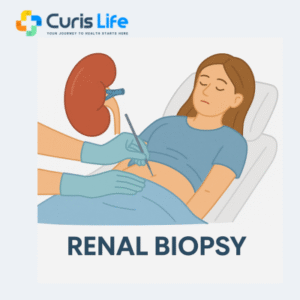
- Kidney Biopsy: Microscopic evaluation to confirm inflammation or immune causes.
Treatment Options
- Lifestyle modification: Nutrition, hydration, and habits to protect kidney health.
- BP & diabetes control: Prevents further decline in kidney function.
- Medication management: Reduces swelling, protein loss, and pressure load on kidneys.
- Diet counseling: Personalized kidney-friendly diet for long-term preservation.
- Stone management: Pain relief, hydration guidance, and prevention strategies.
- Infection treatment: Targeted antibiotics to avoid kidney scarring.
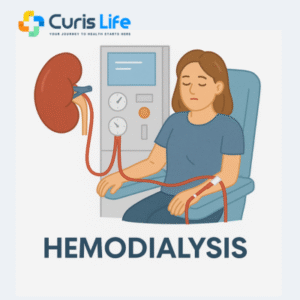
- Dialysis planning: Prepared only when kidney function becomes critically low.
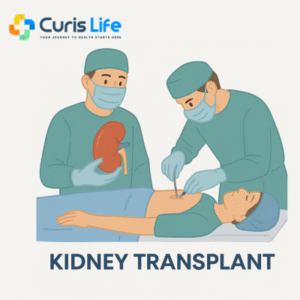
- Transplant referral: Guidance and coordination for eligible patients needing long-term replacement.
